Skip to content

I help founders design and build polished iOS apps.

I'm Andreas, an iOS product engineer who helps founders turn an unclear product idea into a focused first release—then build the SwiftUI app, the Apple-platform integrations, and the shipping path around it.

Independent consulting.

11 App Store productsbuilt across health, learning, accessibility, and behavior change
Shipping health-tech since 2020from COVID Watch to patient-facing StrivePD work
AI · Sensors · Accessibilitycomplex mobile product areas

Apps built to be simple despite the complexities of real life.

Selected proof across learning, screen time, health, sensors, accessibility, and AI.

AI learning product

ExamCram

ExamCram proof visual shows a generated cell biology quiz and a nearly 25,000 reached stamp.

An iOS study app that turns notes into quizzes and flashcards, built around the reality that students need help starting, organizing, and reviewing quickly.

What was hard Students bring notes, slides, screenshots, and very little time.

What I built A faster path from raw material to useful review.

Proof UNF reported that nearly 25,000 people had accessed the mobile and web product by June 2025.

Product strategySwiftUIAI integration
View on the App Store
Screen Time behavior change

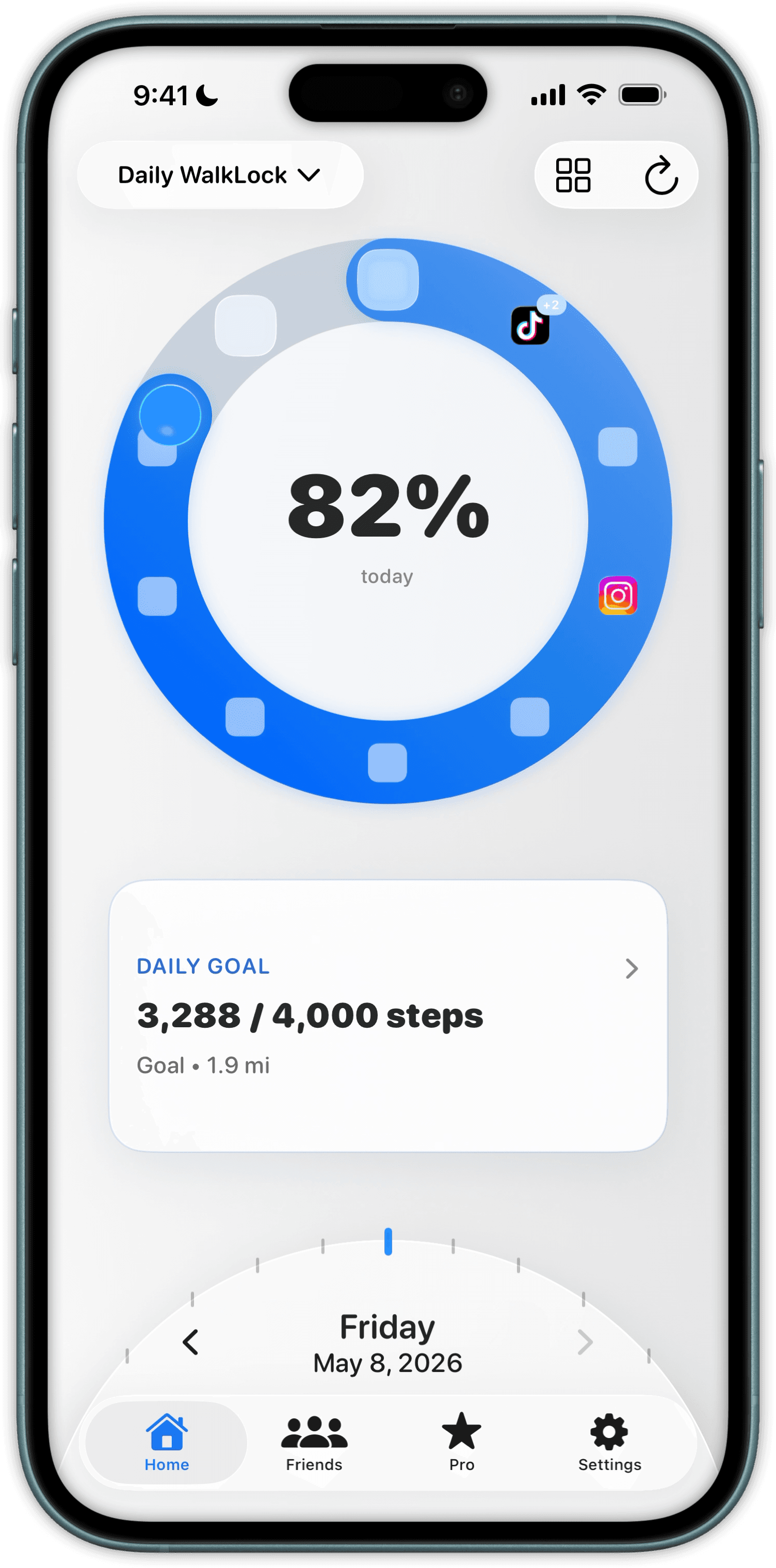
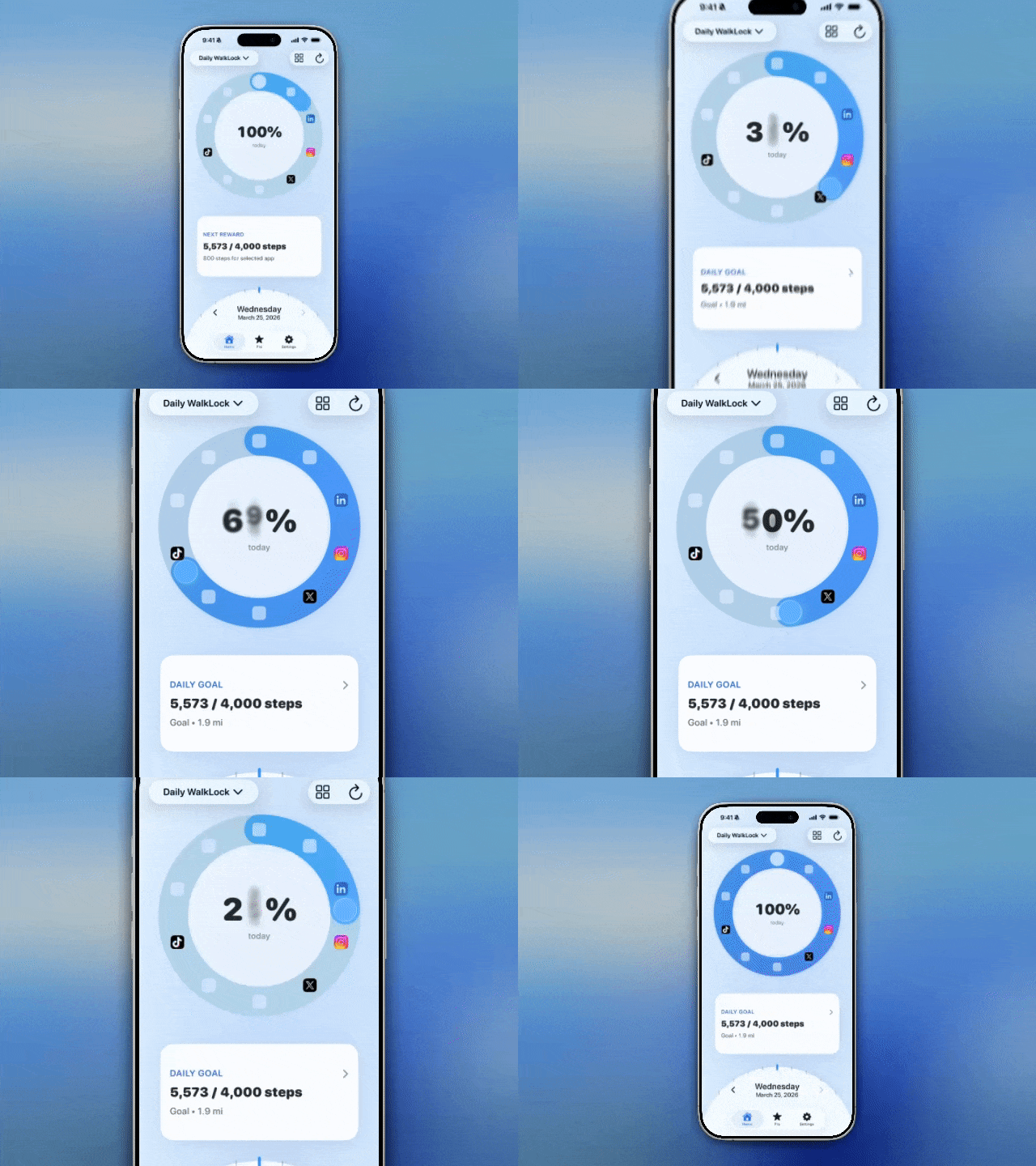
WalkLock

An app that helps people use screen time less by requiring real steps before distracting apps unlock.

What was hard Pulling people away from the most addictive social apps without making the unlock feel hostile.

What I built A step-based unlock loop that makes leaving the screen feel concrete, fair, and achievable.

Screen TimeLive ActivitiesSwiftUIBehavior design
View on the App Store
Sensor-driven wellness

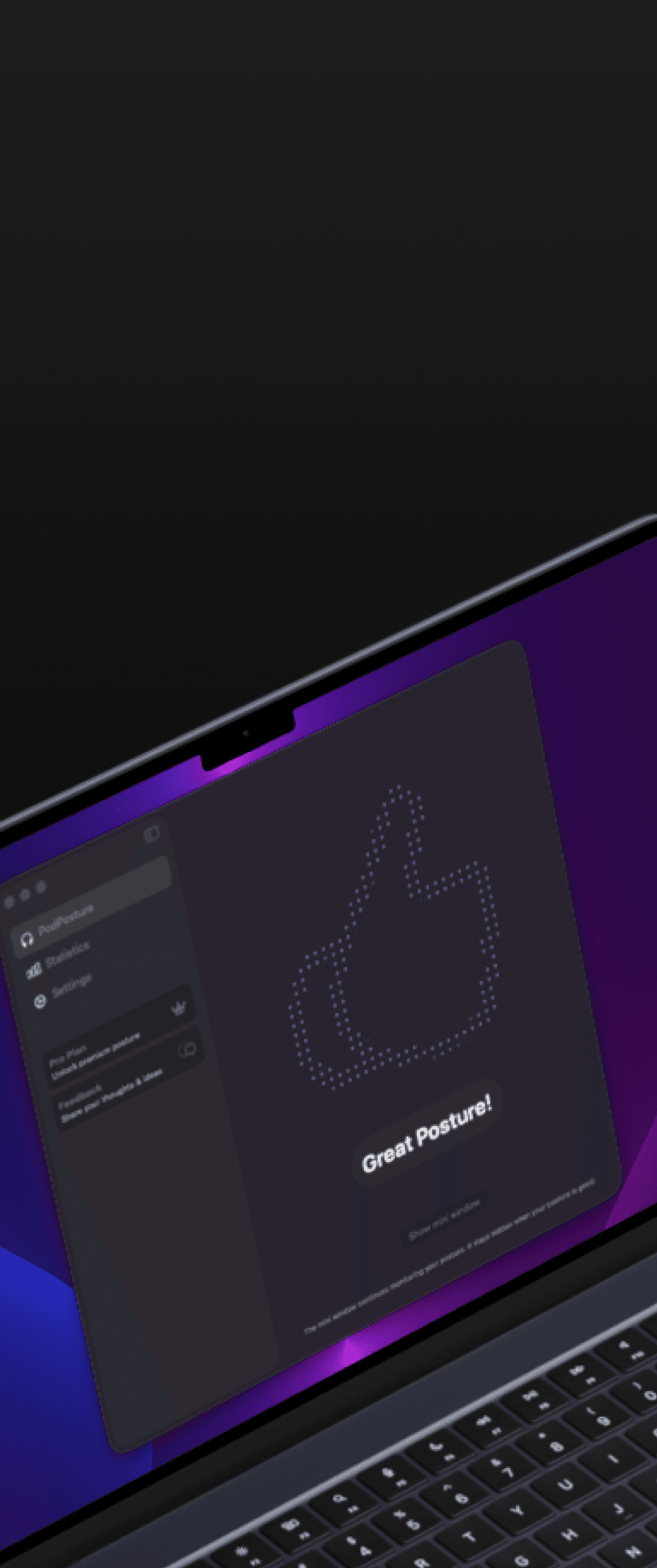
PodPosture

An App Store posture app using AirPods motion data for subtle posture and movement feedback.

What was hard Motion data is noisy and posture feedback needs restraint.

What I built Lightweight coaching that stays easy to understand and dismiss.

Core MotionSensor feedbackHaptics
View on the App Store
Accessible spatial navigationLiDAR + audio

PingPath

PingPath proof visual shows a spatial route prompt with spatial audio and haptic guidance.

An indoor-navigation app using RoomPlan and LiDAR, spatial audio, and haptics to communicate routes without relying on seeing the UI.

What was hard The route state had to remain legible when a visual map could not be the primary interface.

What I built Simple, nonvisual prompts using spatial audio, haptics, and LiDAR-supported room mapping.

ARKitAccessibilitySpatial UX
View on the App Store
Caregiver alerting

MostAwake

A caregiver app that wakes the most-awake person without alerting the whole home.

From idea to App Store-ready iOS product.

I work best on apps involving AI, health, sensors, accessibility, or complicated user flows where reliability and polish matter.

  1. 1
    Clarify the first useful version

    Name the user, the sharpest first flow, the riskiest assumptions, and what should wait.

  2. 2
    Build the real iPhone flow

    Turn the important interaction into a working iOS experience with real system behavior.

  3. 3
    Handle the details that make it shippable

    Polish onboarding, analytics, accessibility, error states, QA, and App Store readiness as part of the build.

Plan the first version

From rough idea to app plan

For founders who know what they want to build, but need the flow, scope, and first version clarified before development.

Build something usable

Prototype
or MVP

For teams that need a polished first version they can test, demo, or submit to the App Store.

Make the app feel finished

Fix an existing iOS app

For apps that already exist but feel hard to use, unreliable, visually uneven, slow, or difficult to ship.

Use the right system tools

Add Apple platform features

For products that need SwiftUI, Live Activities, HealthKit, sensors, App Intents, accessibility, or AI features integrated thoughtfully.

What the first week produces

A sharper product loop, a scoped first release, and a plan for the riskiest interaction.You work directly with me through written decisions, clear tradeoffs, and working builds as soon as the product is ready to test.
Chat with me

A clear direction before you spend months building.

My focus is narrow on purpose: iOS products where trust, AI, sensors, accessibility, or health context affect whether people can actually use the app.

01

You spend less time building the wrong thing.

Early work focuses the app around the user, the first useful flow, and the parts that need to feel reliable.

02

A working version makes the real tradeoffs visible.

You get an iPhone flow with behavior to learn what feels clear, confusing, useful, or unnecessary.

03

The details compound into trust.

AI outputs, sensors, accessibility, analytics, onboarding, and App Store polish are handled as core product details.

Production craft

Production health work made clarity a requirement.

At Rune Labs, I contribute to StrivePD's patient-facing iOS app across home customization, insights, Siri, widgets, and data reliability. Production health software taught me to treat stale data, unclear states, accessibility, and failure recovery as product design—not cleanup.

Andreas Ink
ANDREAS INK · PRODUCT ENGINEER

I build iOS apps for real use, not just clean demos.

I'm Andreas Ink, an iOS engineer at Rune Labs and an independent app founder. My work tends to live where software meets everyday use: studying, movement, caregiving, accessibility, health, and Parkinson's care.

Have an iOS product taking shape?

Send me the rough version.

A few paragraphs are enough: what you're building, what feels stuck, and what would be useful to have in the next few weeks.